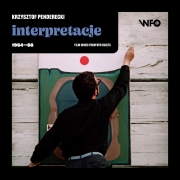
Unique recordings of film music by one of the most outstanding Polish composers of the 20th century. Three completely different compositions from 1964-66, still fascinating today in terms of sound and style.
In the 1960s, Krzysztof Penderecki eagerly flirted with the world of film music. He was particularly fond of short forms, which gave him much greater freedom as a composer. His collaboration with the Educational Film Studio in ?od? in the 1960s resulted in three completely different productions. Although The Gda?sk Painters, Interpretations, and Passacaglia for the Sigismund Chapel share a common theme of art, each of these films brought completely different ideas for the musical setting. The first of these films shows Penderecki searching, immersing himself in the equipment of the Polish Radio Experimental Studio, exploring classical music, light music, and even jazz. Interpretations offers a fascinating study of the sound possibilities of string instruments, while Passacaglia... is a choral mystery play that nobly references the seventeenth century!
Interpretacje contains complete soundtracks prepared by Krzysztof Penderecki for the WFO. All material has been remastered from original tapes from the label's archives, and the booklet includes unique photos and a sketch on the composer's film music. The album continues a series of records exploring the rich music archives of the Educational Film Studio in ?od?. It is a multi-layered journey into a factory of the unexpected, where artists as diverse as Zdzis?aw Szostak, Wojciech Kilar, Henryk Ku?niak, and Krzysztof Komeda discovered their potential.
20世紀のポーランドを代表する作曲家の一人による、ユニークな映画音楽の作品集。1964年から66年にかけて制作された、音色とスタイルにおいて今日でも魅力的な、まったく異なる3つの作品を収録。
トラックリストクシシュトフ・ペンデレツキは1960年代、映画音楽の世界に積極的に関わりました。特に、作曲家としてより大きな自由度を得られる短編作品に好んで取り組んだのです。1960年代にウッチの教育映画製作会社と協力し、3つの全く異なる作品を生み出しました。「Malarzy gda?skich (グダニスクの画家たち)」(1964)、「Interpretacje (解釈)」(1965)、「Passacaglia na Kaplic? Zygmuntowsk? (ジグムント礼拝堂のためのパッサカリア)」(1966)は、いずれも芸術をテーマとしているが、それぞれの映画はまったく異なる音楽的アイデアを生み出した。最初の作品は、ポーランド放送実験スタジオの設備に没頭し、クラシック音楽、ポピュラー音楽、さらにはジャズまで探求するペンデレツキを描いています。「解釈」は弦楽器の音響的可能性に関する魅力的な研究であり、「Passacaglia na Kaplic? Zygmuntowsk?」は17世紀を気高く参照した合唱の神秘劇である。
「Interpretacje」には、WFOのためにクシシュトフ・ペンデレツキが制作した完全なサウンドトラックが収録されています。全楽曲は、WFOのアーカイブにあるオリジナルテープからリマスターされ、ブックレットには、ユニークな写真や作曲家の映画音楽に関するスケッチが掲載されています。このアルバムは、ウッチの教育映画製作会社(WFO)の豊富な音楽アーカイブを紹介するシリーズを継続するものです。これは、ズジスワフ・ショスタク、ヴォイチェフ・キラール、ヘンリク・クシュニャク、クリストファー・コメダなど、さまざまな才能を持つクリエイターたちがその可能性を発見した、非自明性の工場への多面的な旅です。
(自動翻訳-一部修正)
Unique recordings of film music by one of the most outstanding Polish composers of the 20th century. Three completely different compositions from 1964-66, still fascinating today in terms of sound and style.
In the 1960s, Krzysztof Penderecki eagerly flirted with the world of film music. He was particularly fond of short forms, which gave him much greater freedom as a composer. His collaboration with the Educational Film Studio in ?od? in the 1960s resulted in three completely different productions. Although The Gda?sk Painters, Interpretations, and Passacaglia for the Sigismund Chapel share a common theme of art, each of these films brought completely different ideas for the musical setting. The first of these films shows Penderecki searching, immersing himself in the equipment of the Polish Radio Experimental Studio, exploring classical music, light music, and even jazz. Interpretations offers a fascinating study of the sound possibilities of string instruments, while Passacaglia... is a choral mystery play that nobly references the seventeenth century!
Interpretacje contains complete soundtracks prepared by Krzysztof Penderecki for the WFO. All material has been remastered from original tapes from the label's archives, and the booklet includes unique photos and a sketch on the composer's film music. The album continues a series of records exploring the rich music archives of the Educational Film Studio in ?od?. It is a multi-layered journey into a factory of the unexpected, where artists as diverse as Zdzis?aw Szostak, Wojciech Kilar, Henryk Ku?niak, and Krzysztof Komeda discovered their potential.
1-7. Malarze gda?scy (1964)
8-10. Interpretacje (1965)
11. Passacaglia na Kaplic? Zygmuntowsk? (1966)